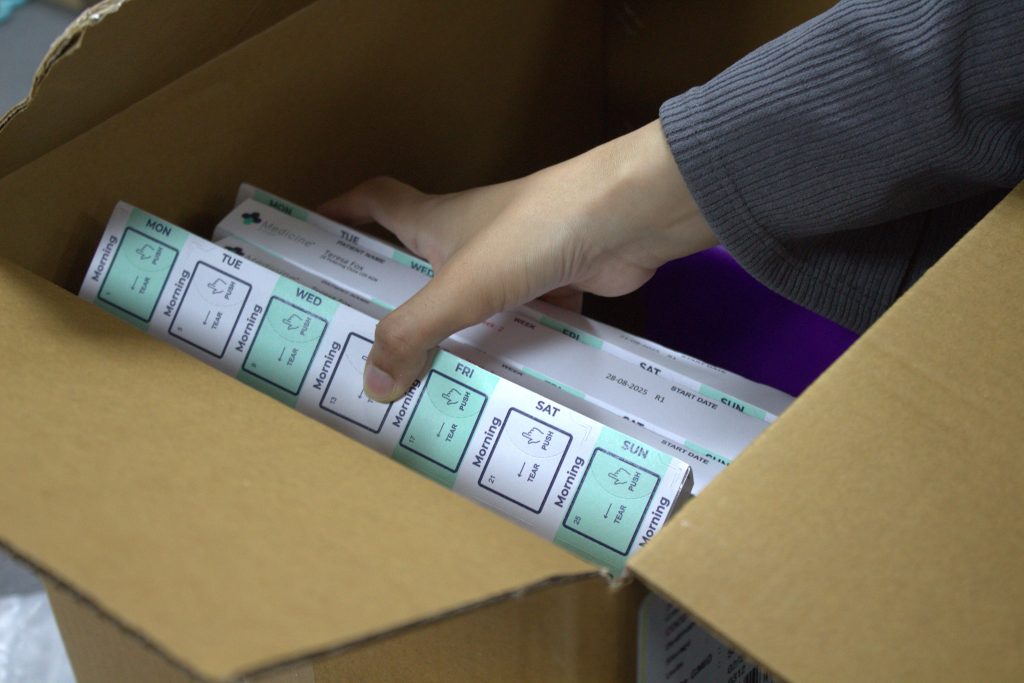
How can MAR Charts & EMARs become unsafe?
Safety and medication management is paramount to the running operation of a good organised care home. One of the biggest threats to any home is effective management of the more charts and the documentation around when medication is given and how it’s given by whom it’s given.
Modern day advances in ElectronicMAR systems and care systems have helped to organise and improve outcomes and decrease manual errors that occurred with paper base systems. These new systems help us audit and report exactly who’s looking after the medication and errors as they occur, however even they are not a full fail safe and depend on the humans using them being trained effectively enough to help avoid errors or spot problems.
So what type of problems or errors can occur with MARs?

Duplicate Medications
- Duplicate medications and medication is being continued to be used that shouldn’t
The stopping and starting with medications is an important task within the care home and relies on critical understanding as well as clear understanding of discharge information, communication with GPs practices and pharmacies.
Common types of errors we have seen in the sphere include medication written by brand name e.g sukkarato by one organisation and by generic name Metformin by another.
For example when a patient is discharged from hospital, this can lead to double dosing and can be extremely dangerous for patients especially in residential care settings where such errors can easily be missed without trained clinicians on site.
Other errors can occur where there is not clear guidance on when medication should be stopped or started and all the guidance isn’t followed.
For example this can occur with medications for short-term use that are then continued on and repeated examples that we’ve seen of this in the past are prochloperizine a medication that should be used for short term anti-sickness purposes, the patient is kept on the medication long term as sometimes care workers or those reordering the medications do not understand the purpose and medication reviews do not occur.
Dosing Patterns
2. Errors can occur with dosing patterns.
This can occur where patients are given medications at the wrong time or duplicates over a period of time, so for example medications Paracetamol – should be separated every 4 hours – however if not given at the right timing the patient could be at risk of side effects.
This can affect the patient by them needing prolonged use of the medication or by the medication not working effectively and causing side-effects.
We have seen in the past include pain relief medications such as Co-Codamol either given up the wrong timing slots or given along side of paracetamol which should’ve been stopped on the MAR chart resulting, in a paracetamol overdose for the patient.
New medications
3. New medications
Special care and attention should be given when a patient has started on new medications that can occur when they are moving from one setting to another i.e. from Care Home to care home or from hospital back into care.
New medications can often cause errors or problems due to duplication of medication regimes, confusion over existing medication regimes.
When new medications are prescribed, there should be clear guidance from prescriber as to the dosing patterns. Use as directed dosing is not recommended within NICE guidance. The notes from handover from the prescriber should be documented in the patient’s care plan so as there is clear documentation of what the prescriber is hoping to achieve with the new medication and when it should be reviewed.
There also should be clear guidance on when the new medication should be started for example is the medication needed straight away within the next 24 hours or does it?
Can it wait until the following cycle?
You should clearly understand the purpose and the reasoning behind new medication received as well as length of treatment and review points for new medications. When adding new medications to the MAR charts errors can occur when they come from different organisations i.e. a different pharmacy or hospital or the patient’s own medications.
With these medications that have to be manually added onto a MAR chart or eMAR this can involve handwriting them onto a paper chart or indeed can involve them being typed into the eMAR record. This is an essential step that can go wrong. It is important to ensure that any new medication is second checked and verified by another member of Staff. To ensure it is accurate and matches the patient’s medication record.
In the very worst case scenario what can go wrong is a patient transcribes the wrong medication onto the chart given the wrong dosing. In the very worst circumstances those details are passed back to the patient’s new GP‘s practice and the incorrect medication is added to their repeat record, hence it is important that we verify medication regimes and get them double checked to ensure correct processes and regimes in place.

Old Medications
4. Old medications.
When reviewing the patient’s MAR chart we should always be looking at the patient’s active repeat with the GP‘s practice. This is particularly important when medication regimes change mid cycle due to unforeseen circumstances.
More commonly nowadays we can see this with medications being out of stock and alternatives being requested quite often an alternative medication will be requested from the GP practice and will be issued as either an acute or a repeat item however if the protocols in place are not followed effectively old medication can remain on both the Mar chart and the repeat.
So it’s very important to review medications against GP‘s repeats and question when a new medication comes in is it a replacement. Is there an audit trail for this? And why has it been prescribed?
The Sign Off
5. Signing off of medications.
If medications aren’t effectively signed off on the MAR chart they can lead to errors. One missed signature to the next care worker or nurse can mean that the medication has not been given. This can put the patient at risk of double dosing that medication if it has been given and not signed off.
It is essential that medications are signed off when they have given and that the patients are then verified before giving the medication.

Auditing MAR Charts
6. Mar Audits
Having strong, reliable and robust audit processes in place is essential for prevention of medication errors and good Mar Management. Even with eMAR Systems audits are essential, they help us to uncover balance checks, missed signatures and review the medications that the patients are on on a regular basis.
We’ve seen robust audits uncover medication errors or a patient that has continually been on a medication they shouldn’t be on. Good audits have also helped to uncover balances of medications that are incorrect and the reasoning for them being incorrect i.e. they were given to the wrong patient or I’ve been mislaid.
All of these discoveries within the audits can help seek out a larger problem with the care home‘s medication management systems and can help us prevent future errors as well as weeding out caregivers or nurses who have acute training needs.
Audits can also show us patterns of patient behaviour where patients are not taking medications regularly and regularly refusing medications. This can lead to essential changes and medication reviews by GP practices.