
Getting the contraceptive pill free of charge (UK): your complete guide
Accessing contraception shouldn’t depend on your budget. In the UK, most contraception (including the contraceptive pill) is available free of charge through NHS services, and there are now more convenient routes than ever—particularly via community pharmacies.
This guide explains where you can get the contraceptive pill for free, what to expect from the consultation, the main pill types, and what to do if you’re under 16. It’s written to be clear, practical, and UK-specific—and includes SEO-friendly links for internal and external mapping.
Quick takeaways
- You can usually get the contraceptive pill free on the NHS via sexual health/contraception clinics, some GP surgeries, and certain pharmacy services.
- You’ll be asked health and lifestyle questions to check the pill is safe for you.
- Some progestogen-only pills can be bought over the counter, but NHS routes are typically the way to access it free of charge.
- Confidentiality rules apply, including for under-16s (with safeguarding exceptions).
What is the contraceptive pill?
The contraceptive pill is a hormonal method of contraception designed to prevent pregnancy. Depending on the type, it works by:
- Stopping ovulation (releasing an egg)
- Thickening cervical mucus (making it harder for sperm to reach an egg)
- Thinning the lining of the womb (reducing the chance of implantation)
When taken correctly, the pill is highly effective—but it does not protect against STIs. If STI protection matters, consider adding barrier protection such as condoms.
Internal link suggestion (Medicine Drop Pharmacy):

Where can you get the contraceptive pill for free in the UK?
In the UK, contraception is typically free via NHS services. Common access routes include:
- Contraception (family planning) clinics
- Sexual health clinics (sometimes called GUM clinics)
- Some GP surgeries
- Young people’s services
- Pharmacies providing NHS contraception services (availability varies)
If your GP doesn’t provide a full contraception service, they should signpost you to local options.
External link (where to get contraception):
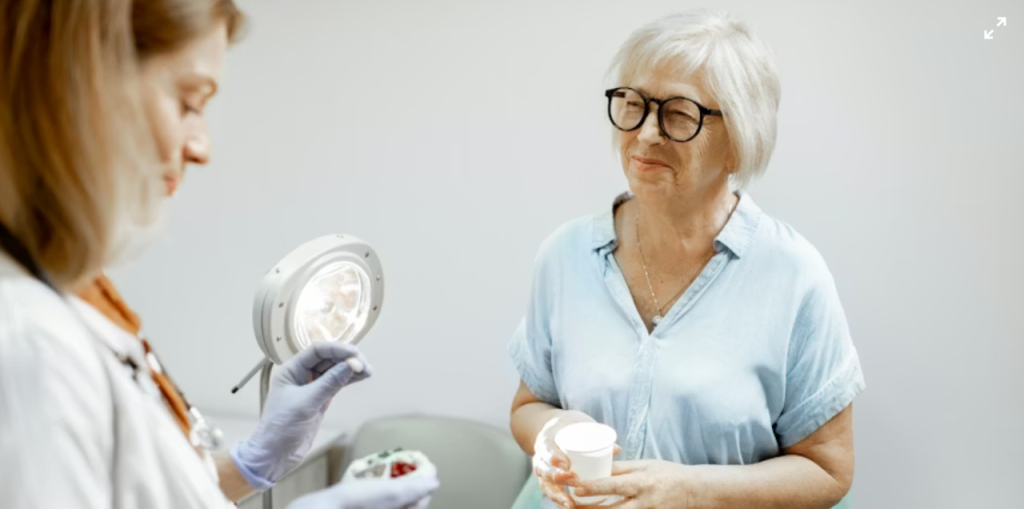
What happens during a contraceptive pill consultation?
Whether you access the pill via a GP, clinic, or pharmacy service, a clinician/pharmacist will usually ask about:
- Your medical history (including migraines, blood pressure issues, clot history, and other conditions)
- Medications you take (some can interact)
- Smoking status and age (relevant for combined pills)
- Your periods and pregnancy risk
- Side effects and what matters to you (bleeding control, acne, cramps, mood, convenience)
You may also be asked for (or advised to provide):
- Blood pressure (especially important for combined pills)
- Height/weight (often used as part of a broader safety assessment)
This isn’t about “gatekeeping”—it’s about ensuring the pill you choose is safe and appropriate for your body.
Different types of contraceptive pill (and how to choose)
There are two main categories:
1) The progestogen-only pill (POP / “mini pill”)
The POP contains progestogen only (no oestrogen). It’s commonly considered if:
- You can’t take oestrogen-containing contraception
- You’re over 35 and smoke
- You want a method that suits a wide range of medical profiles (your clinician will confirm)
Considerations:
- Bleeding patterns can change (some people get irregular bleeding, some have no periods)
- It must be taken consistently (some POPs have a stricter timing window)
Internal link suggestion:
- Progestogen-only Pill Guide (replace with your live URL)
2) The combined oral contraceptive pill (COCP / “combined pill”)
The combined pill contains oestrogen + progestogen. People may choose it because:
- It can offer more cycle control
- It may help some with acne (depending on the formulation and individual response)
However, it’s not suitable for everyone—especially if there are risk factors like certain migraine types, clot risk, or uncontrolled high blood pressure.
Can you get the pill for free if you’re under 16?
Yes—you do not automatically need parental permission to access contraception services in the UK.
Clinicians will focus on whether you:
- Understand the information you’re being given, and
- Can make an informed decision
Confidentiality is the default. The exception is if a healthcare professional is concerned about your safety or risk of harm.
External link (confidential access & services):
Do you need a prescription for the contraceptive pill?
Often, yes—especially for many combined pills and some POPs. That said:
- Some progestogen-only pills may be available over the counter after a suitability check.
- NHS routes (GP/clinic/pharmacy service) remain the most direct way to access the pill free of charge.
If you’re obtaining ongoing supplies, it’s normal to have periodic reviews (for example, blood pressure checks for combined pills).
What can reduce the pill’s effectiveness? (Worth knowing)
Even if you’re getting the pill for free, it only works well if used correctly. Common issues include:
- Missing pills or starting packs late
- Vomiting or severe diarrhoea (can affect absorption)
- Medication interactions (some medicines can reduce effectiveness)
If any of these apply, speak to a clinician/pharmacist promptly and consider using condoms as a backup until advised otherwise.
FAQ
Is the contraceptive pill always free on the NHS?
Contraception is generally free on the NHS in the UK. Access routes vary by area and service availability. Use local NHS contraception/sexual health services or participating pharmacies where offered.
Can I switch pill types through an NHS pharmacy service?
Possibly, depending on the service and clinical suitability. You’ll still need a consultation to ensure any change is safe and appropriate.
Can I use the pill to help acne or heavy periods?
Some people are prescribed certain pills to help with acne or period symptoms, but it’s individual. A clinician can help you weigh up benefits, risks, and alternatives.