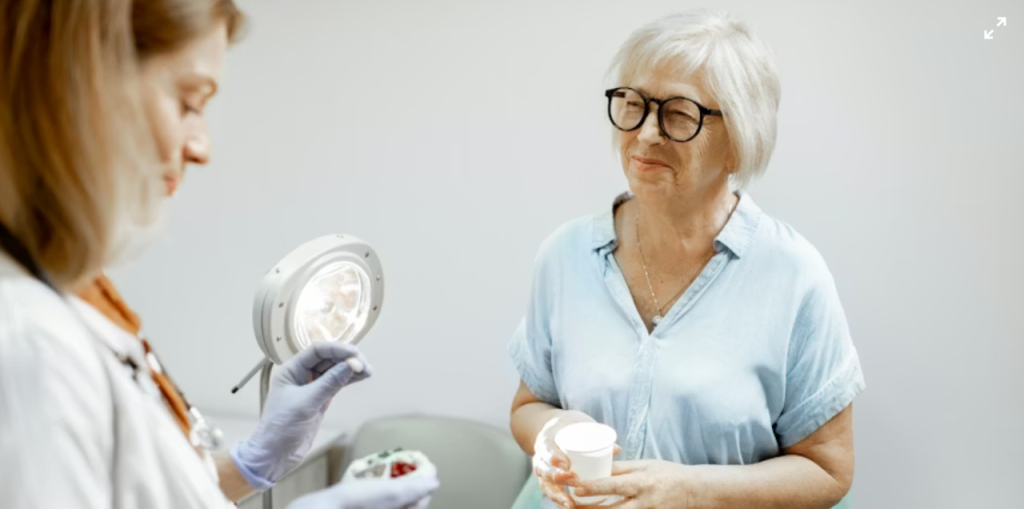

Hormone Replacement Therapy (HRT) in the UK: what you need to know
Hormone replacement therapy (HRT) is one of the most effective ways to manage symptoms of perimenopause and menopause. But with so many options (tablets, patches, gels, sprays, vaginal treatments, different hormone combinations), it can be hard to know what’s “right” for you.
This guide breaks HRT down in plain English—what it is, who it’s for, the main benefits and risks, and how HRT is commonly prescribed in the UK—so you can feel confident discussing options with your GP or menopause specialist. If you’d like day-to-day support, your local pharmacist can also help— including the team at Medicine Drop Pharmacy.

Quick takeaways
- HRT replaces hormones (mainly oestrogen, sometimes progestogen, occasionally testosterone) that fall during menopause.
- If you still have a womb, you usually need progestogen as well as oestrogen to protect the womb lining.
- Transdermal HRT (patch/gel/spray) is often preferred when blood clot risk is a concern.
- Vaginal oestrogen treats local symptoms like dryness and recurrent UTIs, with much lower whole-body exposure.
- The “best” HRT is individual—based on symptoms, medical history, preferences, and stage of menopause.
- In England, if you pay for prescriptions, the HRT PPC may reduce costs for eligible HRT items: NHSBSA HRT PPC.
What is HRT?
Hormone replacement therapy (HRT) is a treatment that tops up hormones—primarily oestrogen—that fluctuate and decline in perimenopause and menopause. This can help stabilise symptoms that happen when hormone levels drop.
In the UK, HRT typically involves:
- Oestrogen (the core hormone for symptom relief)
- Progestogen / progesterone (added if you have a womb, to protect the womb lining)
- Sometimes testosterone, usually specialist-led, for persistent low sexual desire after other causes are addressed (note: some uses are not licensed for menopause in the UK and require specialist oversight—see Royal Osteoporosis Society information).
For an NHS overview, see: NHS – Hormone replacement therapy (HRT)
What symptoms can HRT help with?
HRT can help with a wide range of menopause symptoms, particularly when they’re affecting quality of life. Common examples include:
- Hot flushes and night sweats
- Sleep disruption
- Low mood, irritability, anxiety-like symptoms
- Brain fog and poor concentration
- Vaginal dryness, soreness, pain during sex
- Urinary symptoms (urgency, recurrent UTIs—often helped by vaginal oestrogen)
- Joint aches (some people find improvement)
HRT can also help protect bone density, reducing the risk of osteoporosis around menopause:
Who can (and can’t) take HRT?
Many people can take HRT, but it isn’t suitable for everyone.
You may be advised not to use some forms of HRT if you have (or have had) certain conditions—commonly including:
- Breast, ovarian, or womb cancer history
- Unexplained vaginal bleeding
- Active or previous blood clots (DVT/PE) depending on type/route
- Liver disease
- Uncontrolled high blood pressure
- Pregnancy (HRT is not contraception)
Your GP may still consider alternative routes (like patches/gel) or non-hormonal options depending on your personal risk profile.
If you’re unsure, start with the NHS summary: NHS – HRT
The main benefits of HRT (beyond symptom relief)
HRT is often described as “life-changing” for symptoms—but there are also longer-term health considerations.
1) Better day-to-day functioning
Less disrupted sleep, fewer flushes, improved comfort and confidence—especially when symptoms are moderate to severe.
2) Vaginal and urinary health
For vaginal dryness and urinary discomfort, vaginal oestrogen can be very effective and is treated differently (and generally more lightly) in risk discussions than whole-body HRT.
3) Bone protection
HRT can help maintain bone density and prevent osteoporosis around menopause:
Royal Osteoporosis Society – HRT
The risks of HRT (and how to think about them)
Any honest HRT conversation includes risks as well as benefits. Risks vary by:
- your age and time since menopause
- personal/family history
- the type of HRT (oestrogen-only vs combined)
- the route (tablet vs patch/gel/spray)
- dose and duration
Commonly discussed risks include:
- Breast cancer (mainly associated with some combined HRT types, particularly with longer use)
- Blood clots (VTE) (higher with oral tablets than with transdermal routes for many people)
- Stroke (risk depends on age, route, and baseline risk factors)
UK menopause experts often emphasise individualised prescribing and that transdermal oestradiol may be preferred for some risk profiles:
British Menopause Society (BMS) – 2020 recommendations (updated)
For a UK media explainer referencing NICE guidance updates, see:
BBC – What you need to know about HRT
Types of HRT: which one is which?
1) Oestrogen-only HRT
Usually offered only if you’ve had a hysterectomy (no womb). This is because oestrogen alone can thicken the womb lining if a womb is present.
2) Combined HRT (oestrogen + progestogen/progesterone)
Usually offered if you still have a womb.
There are two common patterns:
Sequential (cyclical) combined HRT
Often used in perimenopause or if you’re still having periods. You take oestrogen continuously, and add progestogen for part of the cycle—so a bleed is expected.
NHS guidance: Sequential combined HRTContinuous combined HRT
Usually used once you’re post-menopausal (typically no periods for 12 months). You take both hormones daily, aiming for no bleeding once settled.
NHS guidance: Continuous combined HRT
3) Tibolone
A daily tablet that has oestrogen-, progestogen- and androgen-like effects. It’s typically used after menopause (not while still having periods). This can be a good option for some people, depending on symptoms and history.
Ways to take HRT (and why the route matters)
Tablets
Convenient, once daily—but for some people, tablets are not the preferred first option if clot risk is a concern.
Patches
A patch releases hormones through the skin. Many people like patches because they’re:
- low effort once established
- steady dosing
- often used where avoiding oral route is beneficial
Internal link idea (Medicine Drop Pharmacy): HRT patches
Gels and sprays
Applied daily to the skin. Useful if you:
- prefer to avoid tablets
- want flexible dosing
- don’t get on with patches
Internal link ideas: Oestrogen gel, Oestrogen spray
Vaginal oestrogen (local treatment)
Vaginal tablets, pessaries, rings, or creams can relieve:
- vaginal dryness and soreness
- pain during sex
- some urinary symptoms
It’s important to know: vaginal oestrogen won’t usually help hot flushes, because it’s targeted locally.
Internal link idea: Vaginal oestrogen treatments
Mirena (IUS) as the progestogen part of HRT
If you use oestrogen (patch/gel/spray/tablet) and need womb protection, an intrauterine system (IUS) such as the Mirena can provide the progestogen component for some people.
NHS overview: IUS (intrauterine system)
Internal link idea: Contraception & IUS options
Bleeding on HRT: what’s normal and what isn’t?
Some bleeding or spotting can be common when starting or changing HRT, depending on the regimen.
- Sequential HRT: a planned bleed is expected at the end of the progestogen phase.
- Continuous combined HRT: spotting can occur in the first few months while the body adjusts.
Speak to your GP urgently if:
- bleeding is heavy or worsening
- bleeding continues beyond the “settling in” period advised for your regimen
- you have bleeding after a long time with no periods or no bleeding on continuous combined therapy
How long do you take HRT for?
There isn’t a one-size-fits-all time limit. Many people use HRT for a few years; others continue longer if symptoms persist and the benefits outweigh the risks.
A sensible UK approach is:
- start with the lowest effective dose
- review symptoms and side effects (often at ~3 months initially, then periodically)
- reassess benefits/risks at least annually (commonly recommended)
NHS guidance: NHS – HRT
Stopping HRT: what to expect
Some people stop HRT and feel fine. Others find symptoms return—especially if stopping suddenly.
If you’re thinking about stopping:
- discuss timing with your GP (for example, lower dose or gradual change may be suggested)
- be prepared for symptoms to return temporarily
- consider whether vaginal oestrogen should continue if local symptoms persist
Getting HRT in the UK (and the HRT PPC)
Most people start HRT through:
- their GP
- an NHS menopause clinic (where available)
- a specialist referral (if symptoms are complex or risks need specialist input)
If you pay for prescriptions in England and need regular HRT items, you may save money with the HRT PPC:
NHSBSA – HRT PPC
Internal link idea (Medicine Drop Pharmacy): Menopause & HRT hub
HRT alternatives (and add-ons) worth knowing about
If HRT isn’t suitable—or you’d prefer not to take it—options can include:
- lifestyle changes (sleep, caffeine/alcohol triggers, layered clothing, exercise)
- talking therapies such as CBT (can help with mood and coping strategies)
- non-hormonal prescription medicines (GP-led, depending on symptoms)
- vaginal moisturisers and lubricants (for comfort, alongside or instead of vaginal oestrogen)
A UK overview of options is included here: NHS – HRT
FAQs
Does HRT cause weight gain?
Weight changes are common around menopause, but weight gain isn’t automatically “caused” by HRT. If weight is a concern, ask for a review of type, dose, and lifestyle support.
Is HRT contraception?
No. HRT is not a contraceptive. If pregnancy is possible, you may still need contraception—your GP can advise what’s appropriate for your age and circumstances.
What’s the difference between “body-identical” and “compounded bioidentical” hormones?
Some regulated HRT products contain hormones identical to those the body produces (often described as body-identical). “Compounded bioidentical” hormones are sometimes marketed as more “natural” but are not regulated in the same way—UK menopause guidance generally favours regulated products where possible (see BMS consensus statement).
Sources & further reading
- NHS – Hormone replacement therapy (HRT)
- NHS – Osteoporosis
- NHS – Sequential combined HRT
- NHS – Continuous combined HRT
- NHS – IUS (intrauterine system)
- British Menopause Society – HRT recommendations
- NHSBSA – HRT PPC
- Royal Osteoporosis Society – HRT
- BBC – What you need to know about HRT
Medical note: This article is for general information and does not replace personalised medical advice. Always speak to your GP, menopause specialist, or pharmacist before starting, changing, or stopping HRT.