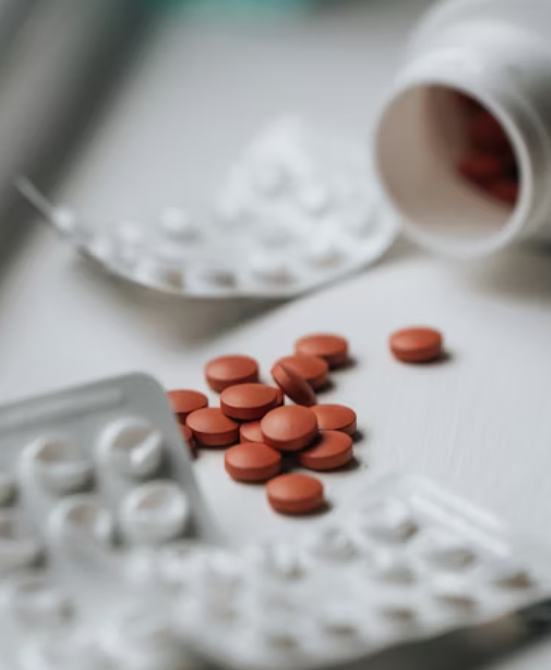

Norethisterone: What You Need to Know
If you have been prescribed norethisterone or are considering it to delay your period, it is completely natural to want to know more before taking it. Many people search for norethisterone: what you need to know because they want clear answers about how it works, whether it is safe, and what side effects they might experience.
Norethisterone is a commonly prescribed medicine in the UK and is often used for period delay, as well as for some other menstrual conditions. For most people, it is effective and straightforward to use, but like any medicine, it is important to understand the benefits, risks, and possible side effects.
In this guide, Medicine Drop Pharmacy explains everything you need to know about norethisterone, including what it is used for, how it works, the most common side effects, and when to seek medical advice.

Key points at a glance
- Norethisterone is a prescription-only medicine used in the UK to delay periods and manage certain menstrual symptoms.
- It belongs to a group of medicines called progestogens, which act like the natural hormone progesterone.
- Common side effects include headaches, nausea, bloating, breast tenderness, and spotting.
- Your period usually starts 2 to 3 days after you stop taking norethisterone.
- Norethisterone is not a contraceptive, so you should still use contraception if pregnancy is possible.
- It may not be suitable for people with a history of blood clots, liver problems, certain migraines, or hormone-sensitive cancers.
What is norethisterone?
Norethisterone is a synthetic hormone medicine that mimics progesterone, one of the hormones involved in controlling the menstrual cycle.
It is commonly prescribed in the UK for:
- delaying a period
- heavy periods
- painful periods
- irregular periods
- endometriosis
- some cases of premenstrual symptoms
The most common reason people search for norethisterone is to delay a period before a holiday, wedding, honeymoon, festival, sporting event, or religious occasion.
How does norethisterone work?
To understand how norethisterone works, it helps to know a little about the menstrual cycle.
A period usually begins when hormone levels drop, which signals the lining of the womb to shed. Norethisterone helps to keep progesterone levels stable, which delays this process and stops your period from starting when it normally would.
Once you stop taking the tablets, hormone levels fall and your period will usually begin within a few days.
What is norethisterone used for?
Although many people know it as a period delay tablet, norethisterone has a wider range of uses.
1. Period delay
This is one of the most common uses. Norethisterone can be prescribed to temporarily delay your period for short-term reasons, such as travel or special events.
2. Heavy periods
Norethisterone may sometimes be used to help reduce heavy menstrual bleeding by affecting the womb lining and hormone balance.
3. Painful periods
Some people are prescribed norethisterone to help manage period pain linked to hormonal fluctuations.
4. Irregular or frequent periods
It may also be used in some cases where the menstrual cycle is unpredictable or periods are coming too often.
5. Endometriosis
For some people with endometriosis, norethisterone may be prescribed for longer-term symptom control under medical supervision.
Is norethisterone safe?
For many people, norethisterone is safe when prescribed correctly. It has been used for many years and is well understood by UK prescribers.
However, it is not suitable for everyone. Your clinician or pharmacist will need to assess your medical history carefully before prescribing it.
You may not be able to take norethisterone if you:
- have ever had a blood clot
- have certain liver problems
- have a history of breast cancer
- have certain types of migraine
- have unexplained vaginal bleeding
- are pregnant or may be pregnant
- take medicines that could interact with hormonal treatment
This is why a proper consultation is important before using norethisterone.

Norethisterone is not a contraceptive
One of the most important things to know is that norethisterone does not prevent pregnancy.
Even if it delays your period, it should not be relied on as birth control. If there is any chance you could become pregnant, you should use contraception, such as condoms, unless your clinician has advised otherwise.
If your period does not return after stopping norethisterone and pregnancy is possible, take a pregnancy test.
Norethisterone side effects
Like all medicines, norethisterone can cause side effects, although not everybody gets them. Most side effects are mild and temporary, especially when it is taken as a short course for period delay.
Common norethisterone side effects
The most commonly reported side effects include:
- headaches
- nausea
- spotting or breakthrough bleeding
- bloating
- fluid retention
- breast tenderness
- mood changes
- changes to your period pattern
These side effects often improve as your body adjusts, or shortly after you stop taking the tablets.
Spotting and breakthrough bleeding
Some people notice light bleeding or spotting while taking norethisterone. This can happen even when the medicine is working properly.
Spotting is usually not a cause for concern, but if you experience heavy bleeding, persistent symptoms, or anything unusual for you, seek medical advice.
Headaches
Mild headaches can happen while taking norethisterone. These are often manageable, but if you get:
- a sudden severe headache
- a first migraine
- a migraine that is worse than usual
- headache with vision changes, weakness, or numbness
you should stop taking the medicine and seek urgent medical help.
Nausea
Feeling sick is another common side effect. This may improve if you take norethisterone with food. In many cases, nausea settles within a few days.
Bloating and water retention
Some people feel bloated or notice mild swelling in their hands, ankles, or stomach. This is often due to temporary fluid retention, not true weight gain.
Mood changes
As norethisterone affects hormone levels, some people notice changes in mood, including:
- irritability
- feeling emotional
- low mood
- increased anxiety
If your mood becomes significantly worse or you have a history of depression, speak to a healthcare professional.
Serious side effects of norethisterone
Serious side effects are rare, but it is important to know the warning signs.
Blood clot symptoms
Seek urgent medical advice if you notice:
- pain or swelling in one leg
- chest pain
- sudden shortness of breath
- coughing for no obvious reason
- sudden weakness or numbness
- problems with speech
- sudden vision changes
- fainting or severe dizziness
Hormonal medicines can slightly increase the risk of blood clots in some people, especially if there are other risk factors.
Risk factors for blood clots
Your risk may be higher if you:
- smoke
- are living with obesity
- have high blood pressure
- have a personal or family history of blood clots
- are immobile for a long period
- have recently had surgery
- have recently given birth
- have certain medical conditions, such as lupus or inflammatory bowel disease
If you fall into one of these groups, your prescriber will need to decide if norethisterone is appropriate for you.
How long do norethisterone side effects last?
Most side effects of norethisterone are short term.
Here is a general idea of what to expect:
- nausea and headaches often improve within a few days
- spotting may happen during treatment and briefly after stopping
- bloating and breast tenderness may last while you are taking the tablets
- mood changes usually settle after treatment ends
If side effects continue, worsen, or interfere with daily life, speak to your GP, prescriber, or pharmacist.
What happens after you stop taking norethisterone?
Once you stop taking norethisterone, most side effects should begin to settle fairly quickly.
You might notice:
- your period starting within 2 to 3 days
- a short period of spotting or irregular bleeding
- your cycle being a little different for the next month
- hormone-related symptoms easing as your body readjusts
For most people, this is temporary.
When will my period start after norethisterone?
A very common question is: how long after taking norethisterone will my period start?
In most cases, your period will start within 2 to 3 days of finishing the course. For some people it may take slightly longer.
If your period has not arrived after several days and pregnancy is possible, take a test and seek advice if needed.
Does norethisterone affect fertility?
No, norethisterone does not affect your long-term fertility.
It may temporarily change the timing of your period, but it does not reduce your future ability to get pregnant. Once you stop taking it and your cycle returns to normal, your fertility should go back to its usual pattern.
Does norethisterone cause weight gain?
This is a common concern, especially for those already focused on health or weight management.
A short course of norethisterone is not usually associated with significant true weight gain. However, some people may experience:
- bloating
- water retention
- feeling temporarily heavier
This can feel like weight gain, but is often related to hormone changes and fluid retention rather than body fat increase.
Who should avoid norethisterone?
You should speak to a healthcare professional before taking norethisterone if you have:
- previous blood clots
- liver disease
- a history of breast cancer
- certain migraine types
- unexplained vaginal bleeding
- possible pregnancy
- allergies to any of its ingredients
You should also tell your prescriber about all medicines and supplements you take, including herbal products, as some can affect how norethisterone works.
Tips for managing norethisterone side effects
If you are prescribed norethisterone, the following steps may help reduce side effects:
- take it with food if you feel sick
- drink plenty of water
- get enough rest
- limit alcohol if it makes symptoms worse
- keep track of symptoms
- speak to a pharmacist or prescriber if side effects are not settling
Do not ignore symptoms that feel severe, unusual, or sudden.

Do not ignore symptoms that feel severe, unusual, or sudden.
FAQs about norethisterone
What is norethisterone used for?
Norethisterone is used for period delay, heavy periods, painful periods, irregular periods, and some hormone-related conditions such as endometriosis.
Is norethisterone safe for period delay?
For many people, yes, norethisterone is safe for short-term period delay when prescribed by a healthcare professional. However, it is not suitable for everyone.
How long does it take for your period to return after norethisterone?
Your period will usually return within 2 to 3 days after you stop taking norethisterone.
Does norethisterone stop pregnancy?
No. Norethisterone is not a contraceptive and does not protect against pregnancy.
Does norethisterone affect fertility?
No. It does not affect long-term fertility.
Can norethisterone cause side effects after stopping?
Some people notice temporary spotting, mild mood changes, or a short delay before their cycle settles, but these effects are usually short-lived.
Final thoughts
If you have been searching for norethisterone: what you need to know, the key message is this: it is a well-established treatment that can be very effective for delaying periods and managing some menstrual problems, but it should always be used under the guidance of a healthcare professional.
For most people, side effects are mild and temporary. The most important thing is to know what is normal, what is not, and when to get medical advice.
At Medicine Drop Pharmacy, we believe that access to treatment should also come with clear, reliable information. If you are considering norethisterone, a professional consultation can help make sure it is the right and safest option for you.